
Can Money Buy “Marriage” in Japan? The 2026 Verdict on the “Bachelor Tax” Era
In 2025, the Japanese government attempted to bribe single women with 600,000 yen (approx. $4,200) to leave Tokyo and marry rural men. The result? A public relations disaster and a speedy policy reversal.
Now, heading into 2026, the strategy has shifted from carrots to sticks. The buzzword dominating Japanese social media isn’t “matchmaking”—it’s the “Bachelor Tax.”
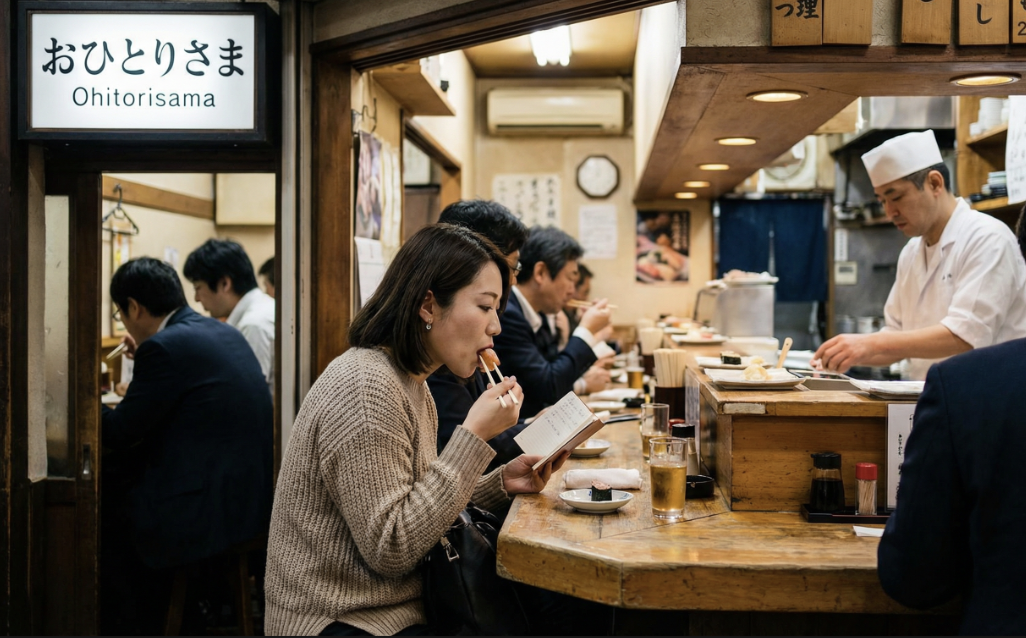
While officials insist it isn’t a penalty for the unpartnered, Japan’s new Child and Child-Rearing Support Fund, launching April 2026, sure feels like one. And its collision with Japan’s booming ohitorisama (solo living) culture raises a deeper question:
Can a government buy “marriage” in a society that has finally learned to love being alone?
The 2025 “Bribe” That Backfired
In 2025, policymakers rolled out a “migration marriage” initiative offering cash incentives for single women to relocate to rural areas to marry local men. The rationale drew from 2020 census data showing a severe gender imbalance outside major cities.
But the SoloAchiever demographic wasn’t interested.
Critics condemned the program as:
- sexist and paternalistic
- treating women as economic resources
- ignoring autonomy and modern life choices
The backlash killed the program before it began. The message was clear:
Independence costs more than ¥600,000.
2026: The Reality Behind the “Bachelor Tax”
With bribery off the table, the government pivoted to policy.
Beginning April 2026, a new monthly fee will be added to public health insurance premiums to support the Child and Child-Rearing Support Fund.
Technically, it applies to everyone.
Yet online, it’s already branded the “Bachelor Tax.”
Why?
Because it shifts the burden of child-rearing support onto:
- people who aren’t married
- people who don’t have children
- people who often cannot afford marriage or parenthood
The tension is unmistakable:
A collectivist government trying to tax its way out of an individualist cultural revolution.
The Ohitorisama Upgrade: From Isolation to “Social Solo”
While policymakers scramble, solo culture is thriving.
Japan’s ohitorisama movement has evolved from “eating alone at restaurants” to a premium lifestyle choice. In 2026, a new trend is taking hold: Social Solo, where independence meets curated community.
Solo-ish Travel
Travel agencies now offer group tours with:
- guaranteed private rooms
- optional “silence hours”
- no pressure to socialize
Premium Solitude
Luxury hotels in Kyoto are selling:
- “Retreat for One” packages
- priced higher than couples’ suites
- marketed as elite restorative experiences
This shift is captured in Alone in Japan (Tom Feiling, 2026), documenting Japan’s emergence as the first post-family society. It pairs naturally with Dr. Bella DePaulo’s Single at Heart, the essential read for those who refuse to “unsingle” themselves for a tax break.
Verdict: No, You Can’t Buy Culture
So, can money buy marriage?
The evidence from 2025 and 2026 says no.
Japan’s top-down policies treat singlehood as a temporary economic inconvenience. But the rise of ohitorisama is not a reaction to inflation—it’s the expression of autonomy in its purest form.
For many modern Japanese singles, the “Bachelor Tax” is still cheaper than the emotional, financial, and social cost of entering a traditional marriage that no longer fits their lives.
You can tax the singles.
You can incentivize the couples.
But you cannot legislate people into saying “I do.”