
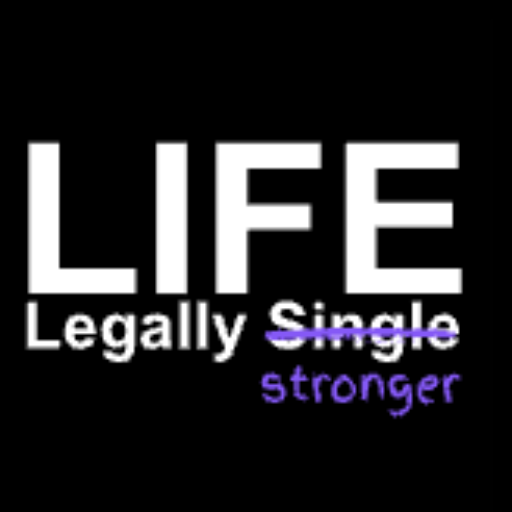
Self-partnered means choosing yourself as your primary life partner rather than pursuing a traditional romantic relationship. The term describes people who prioritize independence, self-fulfillment, and personal growth while remaining single. Self-partnered describes a conscious choice to prioritize your relationship with yourself — your needs, values, desires, and long-term well-being — rather than seeing singlehood as something to escape or “fix.”
Being self-partnered means:
- Recognising and embracing your own worth, needs, and desires
- Intentionally choosing yourself instead of treating singlehood as a void
- Investing in self-care, emotional health, and personal growth
- Rejecting the idea that single = incomplete and redefining success beyond marriage or partnership
At its core, self-partnered is singlehood by design, not by default.
Why “Self-Partnered” Gets a Fresh Boost in 2026
The rise of the self-partnered mindset reflects a broader cultural shift: singlehood is no longer framed as a waiting room — it’s a power move. Concepts like self-partnership and Ohitorisama reflect a growing set of single life trends within the emerging solo economy, where more adults are intentionally building lives around independence rather than traditional partnership.
1. Single = a Power Move
Recent cultural commentary increasingly frames being single as a deliberate act of self-respect rather than a lack. The modern single person is choosing peace, autonomy, and clarity over low-effort relationships.
Being self-partnered often means:
- Financial autonomy — full control over income, savings, and life decisions
- Emotional wholeness — happiness isn’t outsourced to another person
- Clear personal focus — fewer compromises, less “aura drain,” more intentional growth
The cultural question has shifted from “Why are you single?” to “Why would you give up this level of freedom?”
Self-partnered sits squarely inside this reframing: choosing yourself is the power move.
2. The Solo-Lifestyle Shift (Ohitorisama)
The Japanese concept of Ohitorisama — doing things alone by choice — has evolved into a global lifestyle trend.
Solo travel, dining alone, “me-kends” (solo weekends built around personal passions), and quiet, tech-light experiences all reflect the same idea: control, solitude, and personalization.
Self-partnered dovetails perfectly with this lifestyle:
- You set your agenda
- You enjoy your own company
- You design your life around what energises you
This isn’t isolation. It’s intentional independence.
Join the 75K+ readers
learning how to thrive independently👇🏻
How to Live a Self-Partnered Life (In Practice)
Being self-partnered isn’t a mindset you declare once — it’s something you practice.
Set your values and boundaries
Decide what matters most (career, creativity, wellness, travel) and design your life around those priorities — not around the expectations of a relationship.
Embrace solo experiences
Travel alone. Dine alone. Take a solo weekend dedicated to rest or exploration. Stop waiting for someone else to validate the experience.
Reframe singlehood as autonomy
You’re not missing a partner — you’re maximising freedom. Your schedule, decisions, and goals are yours.
Invest in yourself emotionally and financially
- Emotional: therapy, reflection, rest, creative outlets
- Financial: savings, investments, long-term security
Independence strengthens your self-partnered foundation.
Cultivate meaningful connection — without dependency
Self-partnered doesn’t mean alone. It means you choose relationships rather than being defined by one.
Self-Partnered Meaning, Reclaimed
If you’re self-partnered, you’re not waiting — you’re choosing.
You’re part of a cultural shift that recognises singlehood as a legitimate, intentional way to live. This isn’t about rejecting love. It’s about recognising that you are already whole.
Being self-partnered is a declaration of independence, intention, and self-trust. Fulfilment isn’t something that happens to you — it’s something you build.
You are your own partner. And that’s power.